
 Office Fit-Out Services
 Office Furniture
 Services
 Shop
Shop About Us
 Contact Us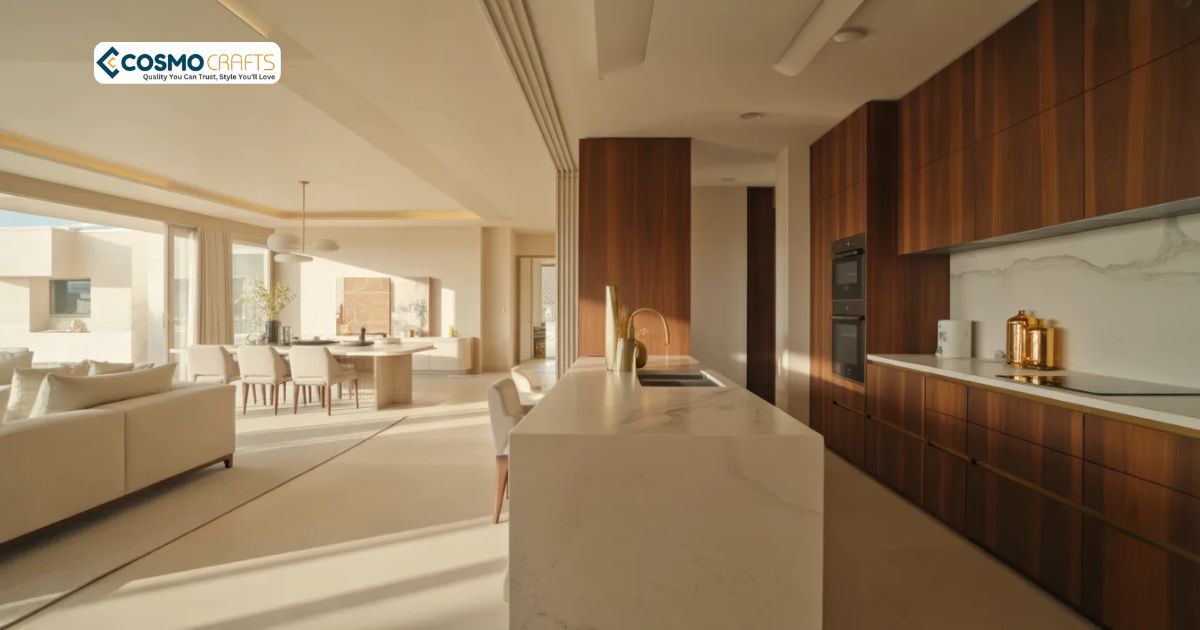
The Psychology of Luxury Spaces
Summary Luxury interiors do more than impress visitors—they influence how people feel, behave, and interact within a space. From lighting and materials to layout and color, every element of an upscale environment triggers subtle emotional responses. This relationship between design and emotion is often explained through design psychology, a concept that examines how interior spaces shape perception, mood, and human behavior. In modern workplaces, luxury interiors are no longer reserved only...
Read more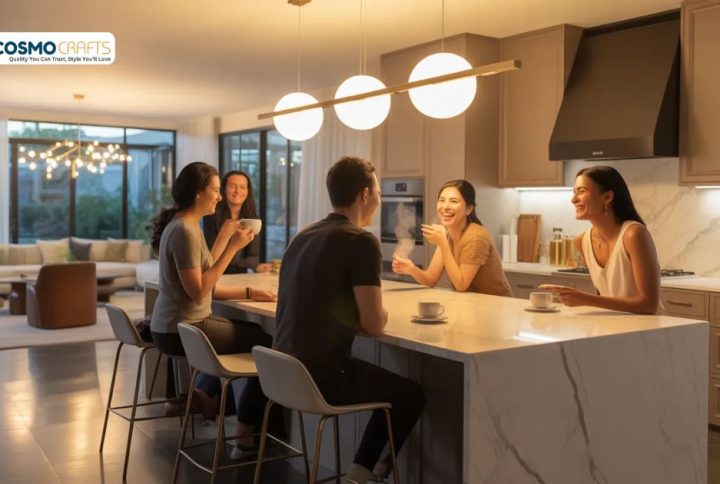
Designing Social Zones Around the Kitchen
Summary Modern workplaces are evolving beyond rows of desks and quiet meeting rooms. Employees now expect environments that support collaboration,...
Read more
Hygiene Standards for Office Kitchens
Did you know that 80% of office workers eat at least one meal a day in their office kitchen?...
Read more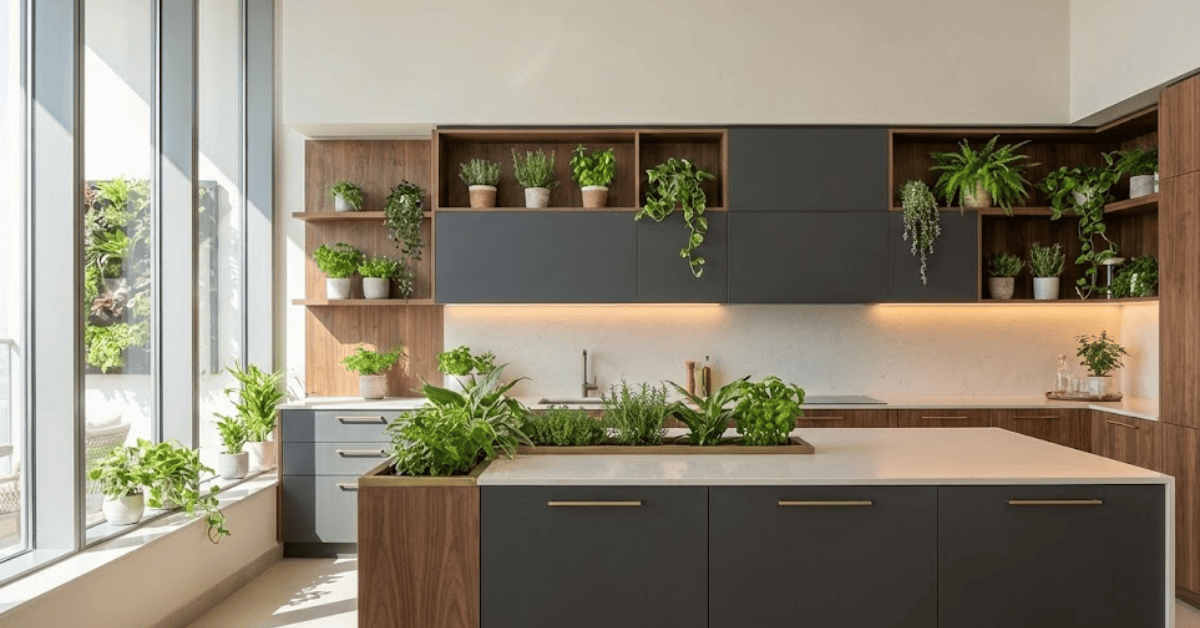
Incorporating Green Spaces into Kitchen Areas
Summary Office kitchens are no longer just functional spaces for quick breaks. They have quietly become social anchors—places where people reset, connect, and step away from screens. As these spaces evolve, one design approach is gaining consistent traction: biophilic design. By introducing plants, natural textures, and organic elements into kitchen areas, workplaces create environments that feel calmer, healthier, and more human. These green additions are not decorative extras. They influence mood,...
Read more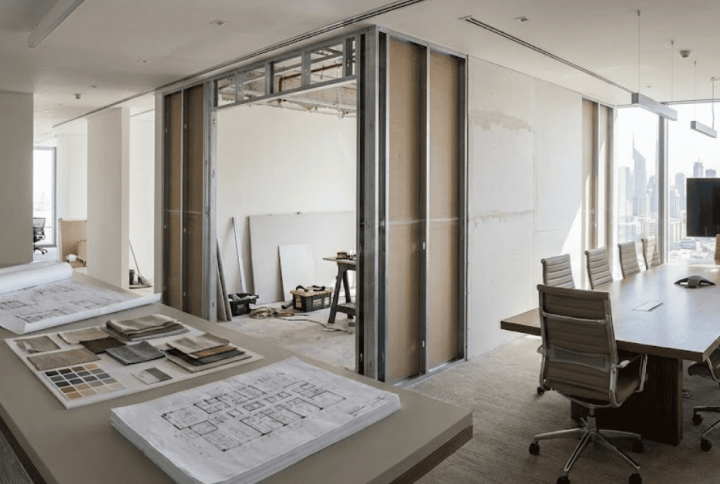
The Client Journey Through a Fit Out
A commercial fit out is rarely just about walls, furniture, or finishes. For most clients, it’s a journey—one that...
Read more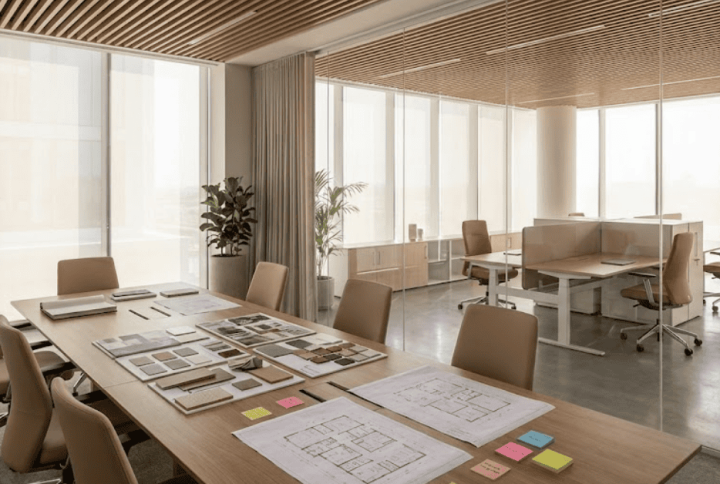
Employee Input: The Secret to a Successful Renovation
Office renovation is often treated as a leadership-driven initiative — strategic, top-down, and carefully planned in boardrooms. Yet the...
Read more