
 Office Fit-Out Services
 Office Furniture
 Services
 Shop
Shop About Us
 Contact Us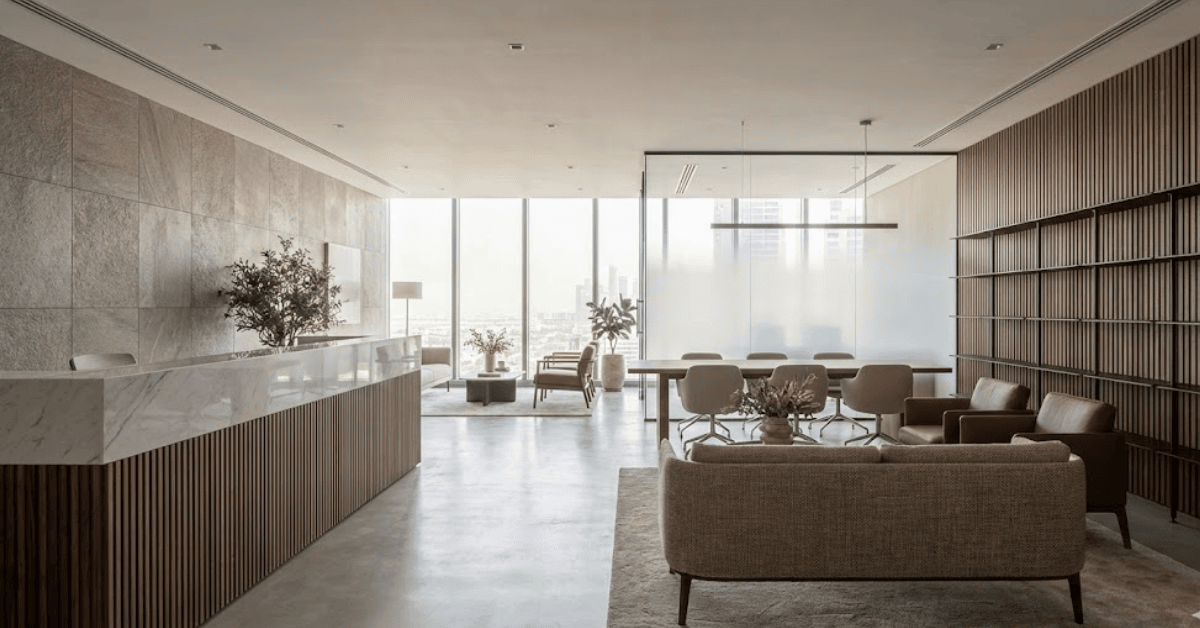
How Texture Shapes Workplace Atmosphere
Workplace design often focuses on the visual: color palettes, lighting, layout, and branding. But beneath that first impression lies a quieter influencer — texture. The tactile world of materials, patterns, and surface finishes subtly shapes how employees feel, move, and interact with their environment.
A smooth desk can calm. A textured wall can energize. A soft rug can warm a difficult space. The way materials respond to touch, light, and sound creates emotional depth — something modern workplaces increasingly depend on.
In this article, we explore how thoughtful surface finishes help craft atmosphere, guide behavior, and build identity. It’s an approach designers at firms like Cosmo Crafts use to create workspaces that aren’t just seen — they’re felt.
1. Why Texture Matters More Than Most People Realize
Texture engages the senses long before people consciously register it.
It influences:
-
Comfort
-
Focus
-
Creativity
-
Emotional grounding
-
Perception of warmth and professionalism
Surface finishes aren’t design decoration. They’re a language — one that communicates mood as clearly as lighting or color.
In professional environments, texture becomes the bridge between style and behavior.
2. The Science of Touch: Texture and Emotional Response
We respond instinctively to tactile cues:
-
Soft materials calm the nervous system
-
Rougher textures energize the senses
-
Natural finishes reduce stress and mental fatigue
-
Smooth surfaces create clarity and order
This psychological effect makes surface finishes crucial in offices where mood and performance intertwine.
When companies invest in comprehensive upgrades through
Office Renovation Services Dubai,
texture becomes part of organizational wellbeing — not simply design flair.
3. Wood: Warmth, Stability, Human Connection
Wood is one of the most emotionally resonant materials in workspace design.
It feels familiar, safe, and grounding.
Wood textures work beautifully in:
-
Executive rooms
-
Reception areas
-
Lounge zones
-
Quiet focus spaces
Whether rustic or refined, wood introduces natural warmth, easing tension and encouraging deeper concentration.
It’s a core element in many premium projects supported by
Luxury Interior Design Services Dubai.
Nature brings balance — even indoors.
4. Fabric & Upholstery: Comfort Through Softness
Fabric-based surface finishes add comfort and acoustic control.
They absorb sound, reduce echo, and create pockets of softness in busy offices.
Common uses include:
-
Desk dividers
-
Lounge seating
-
Phone booths
-
Meeting room walls
-
Acoustic ceiling panels
Soft finishes help create “emotional zones” — spaces where people can reset mentally.
Comfort improves productivity quietly, without announcing itself.
5. Stone & Concrete: Strength, Sophistication, Modern Poise
Cool, solid textures like polished stone or concrete create a sense of confidence.
They feel permanent, grounded, and artistic.
These finishes often appear in:
-
Reception counters
-
Feature walls
-
Open workspace flooring
-
Executive suites
Concrete’s subtle texture also pairs well with lighting — adding dynamic shadow patterns that enrich atmosphere.
Design maturity comes from material character — not just color or shape.
6. Glass: Cleanliness, Light, and Emotional Transparency
Glass isn’t purely visual. It has a tactile presence — crisp, clean, and cool.
Glass partitions used in
Flooring and Glass Partition Services Dubai
bring:
-
Light continuity
-
Space expansion
-
Modern elegance
-
A subtle tactile sleekness
It also softens boundaries while maintaining structure.
It’s minimalism, but with emotional clarity.
7. Metal: Precision, Efficiency, and Modern Identity
Metallic surface finishes add sharpness and modernity.
Brushed steel, aluminum trims, and matte black accents signal discipline and precision.
Metal textures work well in:
-
Tech-driven offices
-
Engineering firms
-
Creative studios
-
Minimalist layouts
Paired with softer materials, they create a balanced atmosphere — structured yet approachable.
Texture helps anchor brand personality.
8. Patterned Surfaces: Movement, Story, and Visual Rhythm
Texture isn’t only about feel — it’s also about pattern.
Pattern communicates movement and flow.
Subtle patterns can:
-
Guide the eye
-
Define pathways
-
Add depth without clutter
-
Enhance branding quietly
Used thoughtfully, patterns make small offices feel larger and large offices feel more organized.
This layered design approach aligns with
Interior Design for Businesses in Dubai
where environments must communicate purpose without overwhelming the senses.
9. Flooring Textures: Atmosphere Underfoot
Flooring carries a large part of tactile experience — even if people don’t touch it with their hands.
Different flooring textures affect workplace energy:
| Material | Texture Impact |
|---|---|
| Carpet | Soft, quiet, grounding |
| Vinyl | Smooth, modern, versatile |
| Hardwood | Warm, textured, elegant |
| Concrete | Industrial, confident |
| Tile | Structured, clean |
The interplay between footfall and floor texture subtly shapes pace, mood, and movement.
Flooring is emotional architecture disguised as practicality.
10. Blending Textures for Atmosphere Harmony
The best workplaces use layered textures — not monotone surfaces.
Combining materials creates vibrancy, comfort, and emotional richness.
Effective texture combinations include:
-
Wood + glass → warm transparency
-
Fabric + metal → soft precision
-
Concrete + greenery → industrial balance
-
Carpet + natural light → comfort with clarity
These combinations are frequently curated in larger renovation projects handled by
Commercial Fit Out Services Dubai.
Texture choreography builds atmosphere you can feel before you see.
Key Takeaways
-
Surface finishes influence mood, behavior, and workplace identity.
-
Wood and fabric add comfort and warmth, while glass and metal add clarity and sophistication.
-
Concrete and stone bring modern confidence and stability.
-
Patterns and flooring textures act as subtle emotional guides.
-
Thoughtful blending of materials shapes a balanced, human-centered atmosphere.
-
Working with experts like Cosmo Crafts ensures materials align with brand, culture, and long-term function.
Texture is the emotional pulse of design.
Conclusion
A beautiful office isn’t built on color alone — it’s built on feel.
Texture gives a workplace its heartbeat. It supplies depth, comfort, rhythm, and presence.
When chosen carefully, surface finishes turn an ordinary workspace into a sensory experience — one that supports creativity, calm, collaboration, and confidence.
Through services like
organizations craft environments that feel organic, rooted, and emotionally genuine.
Ultimately, texture makes a workspace not just functional — but meaningful.
Atmosphere is the unseen architecture of great design.
FAQs
1. Why is texture important in office design?
Because texture influences mood, comfort, and perception — shaping how people experience space.
2. What are the most effective surface finishes for modern offices?
Wood, fabric, concrete, glass, and metal — each offering unique emotional and functional benefits.
3. How does texture support workplace wellbeing?
Soft textures calm, natural textures reduce stress, and balanced textures improve focus.
4. Can existing offices improve atmosphere through textures alone?
Yes — upgrading surface finishes can transform ambiance without full renovation.
5. How does Cosmo Crafts use texture in design?
Through layered material strategy rooted in psychology, culture, and functional planning.
Visit Our Showroom: Pin Location 📍
In Case You Missed These Posts:
- How Flooring Choices Can Transform the Look and Feel of Your Office
- From Startups to Corporates: Tailored Interior Design Services for Every Business in Dubai
- Why Office Renovation in Dubai Is the Smartest Investment for Growing Businesses
- Glass Wall Partitions vs Traditional Walls: What Works Best for Dubai Offices?
- Interior Design Tips for Businesses That Want to Impress Clients in Dubai
- The Hidden ROI of Professional Fit Outs and Renovations for Dubai Companies
- Commercial Fit Out vs Office Renovation Dubai: 7 Key Differences Every Business Must Know
- The Journey of Office Design from Sketch to Reality
- How Design Influences Company Culture
- Reimagining Workspaces for Modern Teams
- The Role of Lighting in Post-Renovation Workspaces
- What Makes a Fit Out Truly Functional
- Managing Office Renovation Without Halting Operations

